Why is preserving habitat important?
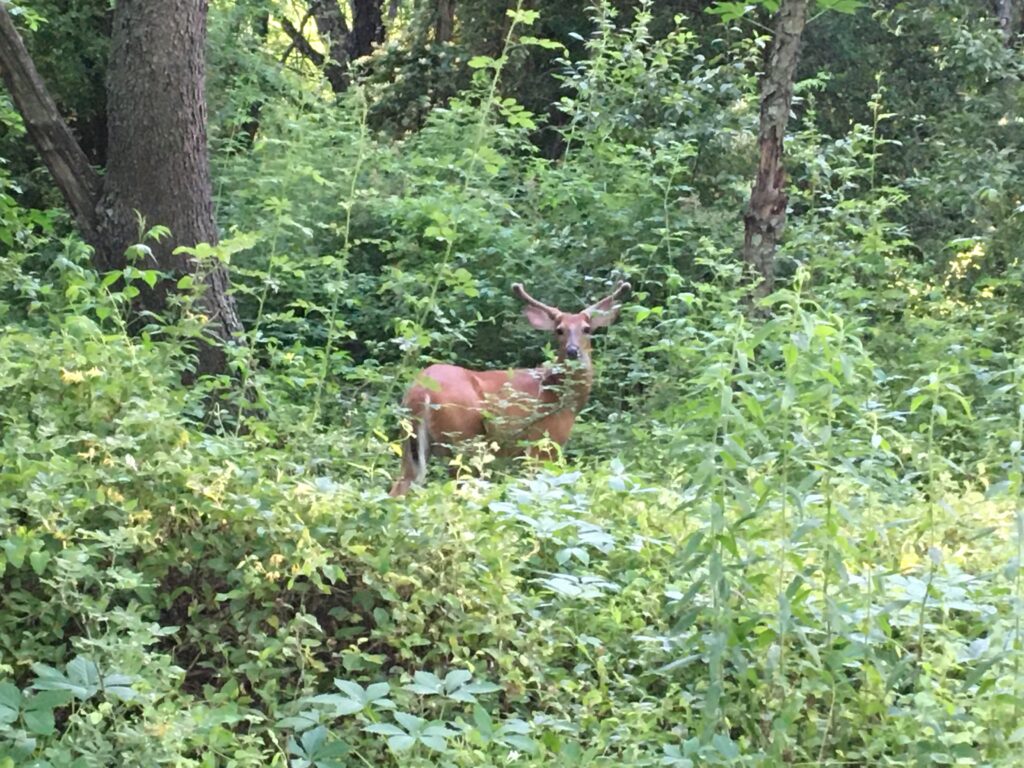
Wildlife cannot advocate for itself. A native ecosystem has species soil that supports specific plants, that support specific insects and animals that have evolved over thousands of years. The only preservation laws are based around endangered species. Our Endangered Species Act is the law that we reference as a tool to preserve endangered species. Many times residential or business complex developers overlook an endangered species which lives at a site that they want to develop which could eradicate a species. Developers look at this law as a cumbersome nuisance which prevents them from making money.
How to report the location of an endangered species?
Reporting the location of an endangered species can prompt the protection of its habitat from development. State laws maybe more strict than federal so report the endangered species to State wildlife agencies first, which can trigger legal protections.
State
Contact your state’s Natural Heritage Program or Department of Fish and Wildlife. Take pictures, get GPS location (Turn on cellphone location then take the picture), identify the species.
Federal
You can also report endangered species
- Online to Federal (U.S. Fish & Wildlife Service) agency
- Call FWS tip hotline at (1-844-397-8477)
- IPAC (Information for Planning and Consultation) is a project planning tool that streamlines the USFWS environmental review process.
You do not have to feel bad about protecting the environment or our wildlife if you prevent a landowner from clearcut logging or a developer for prevention business complexes or residential development. Nonprofit, County, State, and Federal funds exist to provide grant money to preserve habitat through wildlife corridors, expansion of parks, open space, forest canopy preservation for carbon sequestration, etc…
Earth’s mammals by total biomass chart
Earth’s mammals by total biomass chart
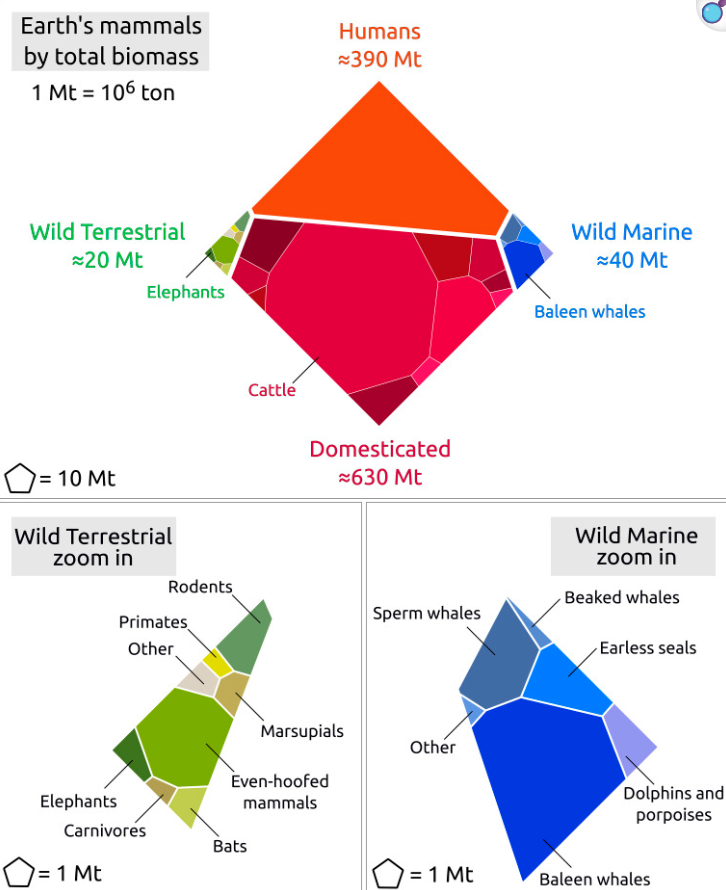
98% of all living land biomass is humans and domesticated animals leaving less than 2 percent of wildlife. This is concerning and we look to change that by helping preserve and restore habitat so our wildlife can thrive.
Chart from this cited NIH article:
https://pmc.ncbi.nlm.nih.gov/articles/PMC10013851
Preventing Suburban sprawl
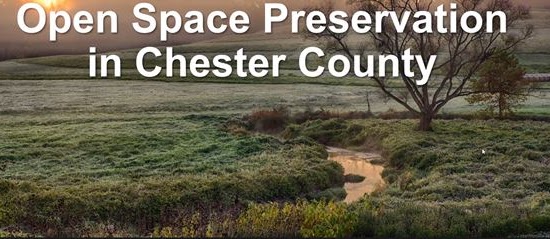
There are many ways to protect native habitat. Chester County Pennsylvania purchased private agricultural land throughout the county to prevent further suburban sprawl where developers purchase all of the land of surrounding neighborhoods until there is no longer any open space or local farms.
How did Chester County preserved all of their open space?
A County referendum where 82% of the citizens voted to create a department of open space which pursued grants split 4 ways, 25% each. First, a onetime county tax assessment for a year to pay for 25%, then a federal grant for 25%, then existing county funding 25%, and finally asked the selling party to sell their property for a 25% discount.
Learn more about Chester County’s open space referendum